Category: Uncategorized

  • The Day Everything Stopped – How COVID Changed the Way We Celebrate

    The Day Everything Stopped – How COVID Changed the Way We Celebrate

    I still remember the exact day everything changed. It was a Friday afternoon, and my mom got a phone call from the school. She hung up, turned to me, and said, “You’re not going to school for the next two weeks.”

    At the time, I didn’t think much of it. I had heard about this virus that was spreading in other countries, but I assumed it was something small, something that would blow over quickly. Two weeks off school sounded like a vacation. I imagined sleeping in, watching movies, and catching up on homework that I probably wouldn’t actually do.

    But then two weeks turned into a month, and that month stretched into two years.

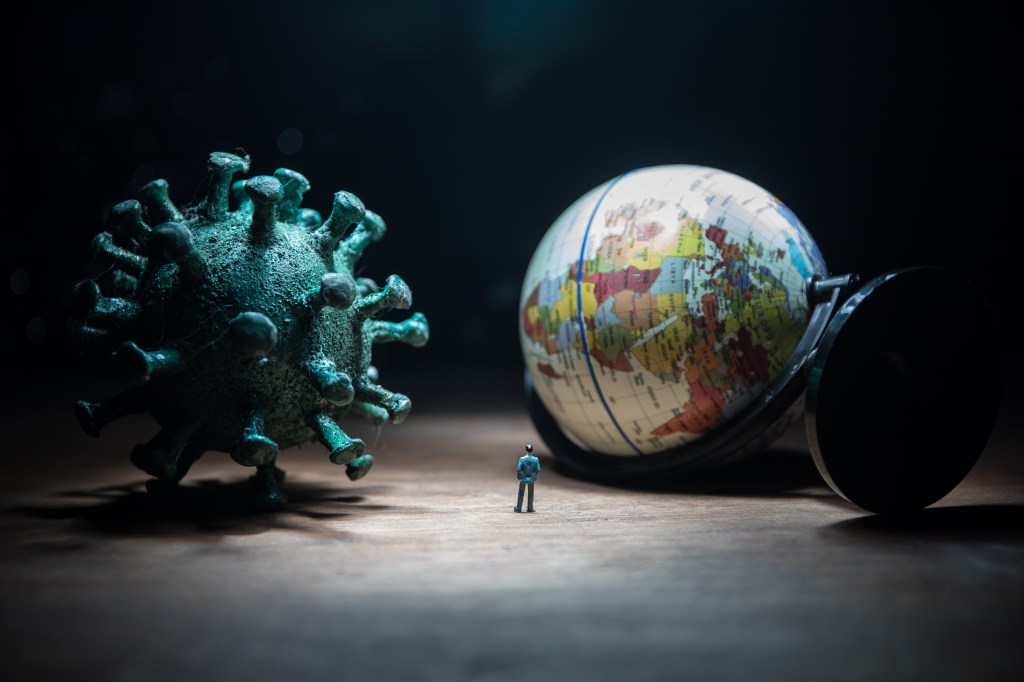
    Suddenly, life as we knew it came to a halt. And with that, so did many of the cultural traditions we took for granted.

    Looking back, it’s incredible how much the pandemic reshaped how we connect and celebrate. Holidays like Thanksgiving and Christmas moved from crowded dining rooms to glitchy Zoom calls. Birthdays were celebrated through car parades, with friends honking from their driveways. Even graduations turned into virtual ceremonies, where instead of walking across a stage, students waved to webcams in their living rooms.

    But it wasn’t just the big events that changed; it was the small rituals too. Family dinners became sacred again. People started baking bread, cooking traditional recipes, and gardening as ways to feel grounded. Communities found creative ways to stay connected, from drive-in movie nights to socially distanced outdoor gatherings. Somehow, even in isolation, we found ways to hold onto what made us human.
  • When Rituals Evolve – What Pandemics Teach Us About Culture

    When Rituals Evolve – What Pandemics Teach Us About Culture

    Anthropologists often talk about how pandemics throughout history reshape culture. During the Black Plague in the 14th century, for example, people reexamined faith and mortality, leading to shifts in art, religion, and medicine. During the 1918 flu pandemic, traditions like handshakes disappeared for years, and public health became a collective value.

    COVID-19 will be remembered the same way, not just for the science behind it, but for how it transformed everyday life.

    What fascinates me is how quickly new traditions replaced old ones. We learned to celebrate virtually, to express affection through screens, and to mourn without being physically present. And even though it was hard, it showed how adaptable people are. Our rituals didn’t disappear; they evolved.

    When I finally returned to school two years later, everything felt different. People had changed, but so had the way we valued community. Simple things, like sitting with friends at lunch or seeing someone’s full smile without a mask, felt meaningful again.

    Pandemics have a strange way of reminding us what matters. They strip away the excess and force us to rebuild our traditions around connection, empathy, and resilience.

    So while that phone call from my mom marked the beginning of something scary and uncertain, it also marked the start of a new kind of cultural awakening, one that taught us how to hold on to each other, even when we had to stay apart.

  • Beyond the Algorithm – Finding Truth in the Age of TikTok News

    Beyond the Algorithm – Finding Truth in the Age of TikTok News

    When anyone can post the news, anyone can distort it. Unlike legacy media, TikTok creators aren’t required to fact-check, and algorithms don’t always reward accuracy, they reward attention. A video with strong emotion or a catchy hook might go viral even if it’s misleading. That makes it harder for viewers, especially young ones, to separate truth from opinion.

    This is the paradox of modern media: we’ve gained access, but we’ve lost filters. We no longer have a single trusted voice, we have millions of them, each competing for a few seconds of your time. That makes the role of critical thinking more important than ever.

    Still, I think we’re in a unique moment. The credibility gap between old and new media doesn’t mean one has to cancel out the other; it just means we have to be smarter about how we consume information. Traditional journalism gives us structure and accountability, while platforms like TikTok give us access and diversity of voices.

    Somewhere between the two lies the future of media, and I think it’s worth paying attention to who’s shaping it.

  • What We’ve Lost – The Boomer Generation and the Age of Listening

    What We’ve Lost – The Boomer Generation and the Age of Listening

    I think about that a lot today, especially when I catch myself scrolling through videos at double speed or skipping through a podcast because I don’t have the patience to finish it.

    My grandmother’s generation built focus through stillness. They didn’t multitask their attention; they invested it.

    They lived in a time when listening was an act of respect and storytelling was an exchange of presence. There was no background noise, no multitasking, and no urge to capture the moment instead of living it.

    It makes me wonder if their long attention spans weren’t just a product of their time but also a reflection of what we’ve lost: the art of listening without distraction.

    Maybe that’s what defined the Boomer generation more than anything else: not just what they said, but how deeply they listened. And maybe learning to do the same is the quietest form of wisdom we can bring back.

  • The Vanishing Patience – How We Moved From Context to Clips

    The Vanishing Patience – How We Moved From Context to Clips

    When I was a kid, I remember entire families piling into cars to go see a movie that lasted two or three hours. Watching something from beginning to end was normal; you sat through the credits, maybe even talked about the story afterward. At home, I’d sit beside my parents to watch the evening news. The anchors would walk viewers through full interviews, layered coverage, and deep analysis. It wasn’t just about headlines; it was about context.

    But somewhere along the way, that started to change. People stopped going to the movies as much, and “watching the news” turned into scrolling through quick clips on our phones. Now, instead of long-form reporting, we get 30-second TikToks summarizing global events or five-second “sound bites” meant to hold our attention before the next swipe.

    I’ve noticed it in myself, too. Attention spans feel shorter, and we’ve grown so used to instant information that patience has become rare. It’s not necessarily anyone’s fault that digital media has trained us to expect speed. But that speed comes with a cost. When stories are trimmed down to a few seconds, nuance disappears. It’s almost impossible to capture the depth of a complex issue in a single minute.

    What’s left is often the most emotional, shocking, or divisive part, the part most likely to go viral.

  • The Meme Machine – When Humor Becomes a Political Weapon

    The Meme Machine – When Humor Becomes a Political Weapon

    What makes memes so effective is that they’re emotional. They can take a complicated issue, like taxes, elections, or foreign policy, and shrink it into something funny, shocking, or relatable. That emotional punch makes them stick.

    The downside, though, is that context often gets lost. When politics are reduced to memes, the facts can get twisted, and people start forming opinions based on half-truths or satire. A single meme can reinforce biases or spread misinformation before anyone even checks the source.

    Still, it’s fascinating to see how memes have become a new kind of political weapon. They blend humor, art, and ideology into a form of digital propaganda that spreads faster than any newspaper headline ever could.

    The challenge for our generation is to recognize that while memes might make us laugh, they can also shape how we think, and that’s something worth paying attention to.

  • From Pamphlets to Punchlines – How Politics Learned to Go Viral

    From Pamphlets to Punchlines – How Politics Learned to Go Viral

    When I first started studying history, the “primary sources” we looked at were things like the Declaration of Independence, the Constitution, and famous speeches. But now, in my classes, we sometimes analyze political cartoons, and even memes. It sounds funny, but it actually says a lot about how communication has changed. What used to be written in long essays or formal documents is now being boiled down into a single image with bold text and a punchline.

    Memes aren’t just jokes anymore. They’ve become one of the fastest ways to spread political messages, especially to younger audiences who might not even realize they’re being influenced. A simple meme on Instagram or TikTok can turn into a viral opinion overnight. Kids as young as twelve are scrolling through their feeds and seeing political ideas disguised as humor or pop culture references. It’s subtle, but it’s powerful.

    The truth is, this isn’t entirely new. Politics have always found their way into entertainment. In my AP Gov class, we learned about the significance of The Wizard of Oz at the time of its release. As we all know, the Wizard of Oz is one of the most famous stories of all time, but it also acts as a political allegory about economic struggles in the late 1800s, the Yellow Brick Road representing the gold standard, the Scarecrow symbolizing farmers, and the Tin Man representing industrial workers. People have always used stories to reflect political realities.

    The only difference now is that our stories are shorter, faster, and scrollable.

  • The Ethics of Illusion – Deepfakes, Democracy, and Distrust

    The Ethics of Illusion – Deepfakes, Democracy, and Distrust

    Imagine a fake video of a candidate saying something racist or a fabricated “leak” of a president making false promises. Even if the truth comes out hours later, the damage is already done. Once a fake story spreads, people rarely unlearn it.

    This raises huge ethical questions. Should AI tools that generate lifelike faces and voices be restricted in political contexts? Should social media companies be legally required to label synthetic media? Or does that responsibility fall on us, to pause before we repost, to question before we believe?

    The real issue isn’t just the technology; it’s trust. Deepfakes threaten the foundation of democracy by making us doubt everything we see, even the truth. If every video can be faked, what happens when a real one surfaces and no one believes it?

    We’re entering a time where skepticism isn’t cynicism; it’s survival. In an election cycle fueled by clicks and outrage, it’s on all of us to slow down and think critically. Because the next viral video you see might not be history; it might be a simulation.

  • Inside the Story – My First Step Into Virtual Reality Filmmaking

    Inside the Story – My First Step Into Virtual Reality Filmmaking

    The first time I tried virtual reality, I remember being completely transported. One moment, I was in my living room. The next, I was walking through a refugee camp in Syria. The dirt, the voices, the children running past, it all felt real. I could look in any direction and be surrounded by a world I’d never seen before.

    It was powerful, emotional, and unforgettable.

    But when I took the headset off, I couldn’t help but ask myself: was that empathy I just felt, or manipulation?

    Virtual reality documentaries are changing the way we tell stories. Instead of just watching a film, viewers step into it. Whether it’s exploring melting glaciers, experiencing life in a war zone, or standing in the middle of a protest, VR allows people to see the world through someone else’s eyes, literally. Filmmakers call it the “ultimate empathy machine.” And in many ways, it is.

    Still, that first experience left me thinking: if VR can make me feel something so real, how much of that emotion truly belonged to me?

  • Beyond the Dance – TikTok, Credit, and Cultural Connection

    Beyond the Dance – TikTok, Credit, and Cultural Connection

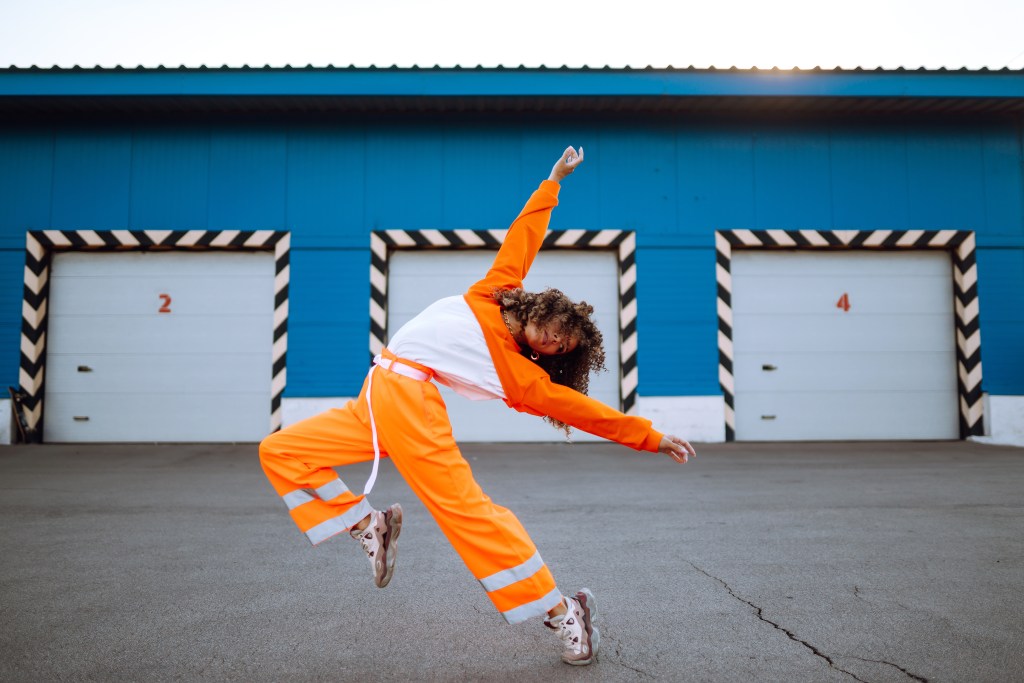
    Of course, this kind of digital sharing comes with both positives and challenges. On one hand, it’s amazing how accessible creativity has become; people from different backgrounds can collaborate, remix, and reinterpret ideas freely. It creates unity and shared experience, especially during moments like the pandemic when physical connection wasn’t possible.

    But on the other hand, there’s a fine line between cultural appreciation and cultural appropriation. I remember reading an article in my AP Seminar class last year about how some TikTok trends, especially dance ones, have been criticized for not giving credit to their original creators, many of whom come from marginalized communities.

    When culture spreads this fast, ownership and context can easily get lost along the way.

    Still, the rise of TikTok dances showed something powerful: we’re living in a time where young people are shaping global culture from their bedrooms. Movements, quite literally, move the world.

    Looking back at that seventh-grade memory, I realize it wasn’t just a moment of internet fame; it was a glimpse of how culture evolves in real time. Whether through dance, music, or memes, TikTok has become the Silk Road of the digital age, a place where ideas travel, transform, and remind us how connected we really are.