Category: Uncategorized

  • Visual Rhetoric: Why Certain Images Become Iconic

    Visual Rhetoric: Why Certain Images Become Iconic

    Have you ever noticed that there are some pictures everyone just seems to know? You don’t need a caption or context, one look, and you instantly recognize what it’s about. Think of the “Earthrise” photo from Apollo 8, the man standing in front of the tank at Tiananmen Square, or the image of firefighters raising the flag at Ground Zero. These aren’t just photographs, they’re pieces of collective memory. Everyone may not remember the exact date or location, but they remember the feeling.

    I think my fascination with this started back in history class. We were studying the Declaration of Independence and looking at early American documents, the kind that have lasted centuries, and I remember thinking, why do some visuals stick forever while others fade away? It hit me that certain documents, like certain images, have a kind of permanence to them. They don’t just record information, they capture emotion, power, and meaning in a way that survives across generations.

    As someone who’s always been interested in media, I kept wondering what made one image or symbol stand out while others disappeared. What gives a visual its staying power? I started noticing patterns: iconic images often appear during moments of deep emotion or change. They might represent unity, struggle, hope, or defiance, universal feelings that connect people no matter where they’re from.

    That’s the magic of visual rhetoric, it’s not just what we see, but what we understand and feel when we see it. A great image or document speaks to something beyond its time. It becomes a symbol that people return to again and again when they need to remember, reflect, or even heal.

    In a world where we scroll past hundreds of images a day, it’s easy to forget how powerful one picture can be. But the ones that last, the ones that define eras, remind us that sometimes, one frame can carry the weight of history itself.
  • How Storytelling Shapes Public Opinion in Times of Crisis

    How Storytelling Shapes Public Opinion in Times of Crisis

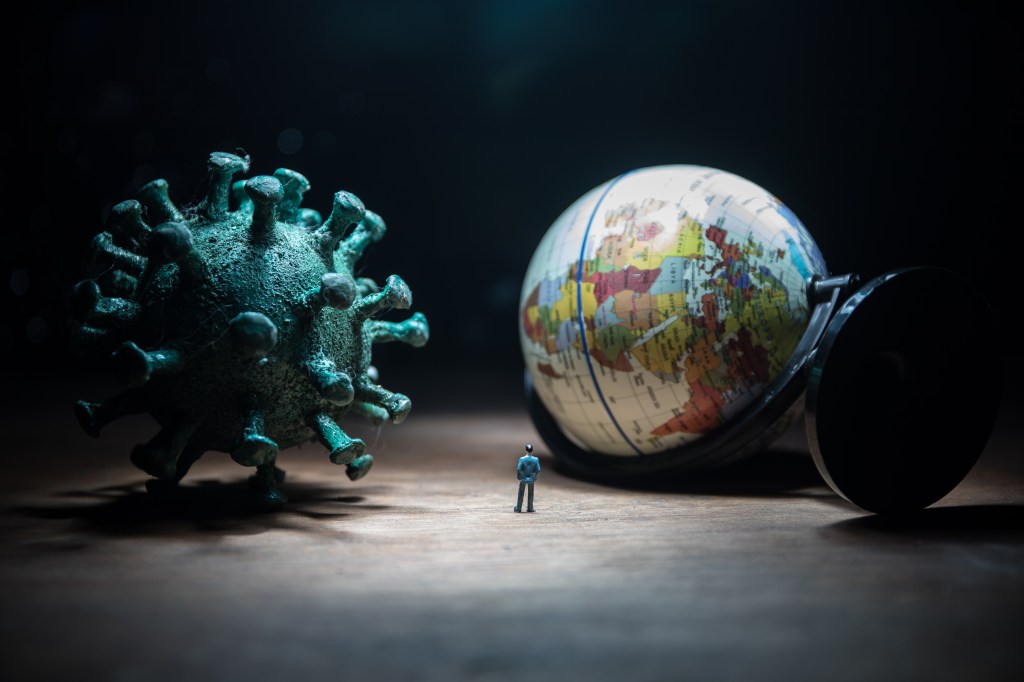
    So a big question that’s been weighing on my mind is how does storytelling shape public opinion especially during times of crisis? Well, think about it, every time the world hits a crisis whether it’s a pandemic, natural disaster, or major social movement, the first thing that spreads faster than the news itself is the story. The story of what’s happening, who’s affected, and what it all means. And that story? It often shapes how we respond just as much as the facts do.

    For example, during COVID, we didn’t just see case numbers. What did we see? Well, we saw videos of nurses crying in break rooms, photos of families holding signs outside hospital windows, and personal stories on TikTok that reached millions. Those moments made the crisis real. They made people care, share, and act.

    So clearly, that’s the power of storytelling. Storytelling has the ability to take something distant and turns it into something human and real. Whether it’s a headline about food insecurity, climate change, or war, it’s the story of one person that makes the issue hit home. When a mother shares how she skipped dinner so her kids could eat, or when a student records what it’s like to learn during a blackout, those narratives do more than report, they move.

    In a world where media moves at the speed of a scroll, storytelling doesn’t just reflect public opinion, it builds it. The tone of a video, the framing of a photo, even the caption under a post can change how we perceive an entire movement. That’s why I believe storytelling carries a responsibility, especially in crisis, it’s not just about getting attention, but giving context, empathy, and truth.

    At the end of the day, data might show what’s happening, but stories remind us why it matters.

  • The Invisible Art – How Editing Shapes Emotion and Meaning

    The Invisible Art – How Editing Shapes Emotion and Meaning

    The pacing, music, color grading, and even the order of shots can alter how a viewer interprets a scene. A fast cut can create anxiety or excitement; a slow, lingering shot can make someone stop and think. A piece of dialogue moved two seconds earlier can change a character’s motivation. Even silence, especially silence, can be one of the most powerful editing tools in storytelling.

    Editing also shapes emotion. Music tells the audience how to feel, while timing tells them when. Lighting and tone give visual cues that reinforce what words sometimes can’t. Every frame is a decision, and every decision carries meaning.

    When I fixed the music in that act and replaced it with a more somber, reflective tone, everything changed. The message landed the way it was meant to. It reminded me that storytelling isn’t just about what you show, it’s about how you show it.

    Editing is where a story truly comes to life. It’s the invisible art behind emotion, rhythm, and impact. And sometimes, as I learned the hard way, one song can turn a serious warning into a feel-good montage.

  • Food As Identity: A Taste of Home

    Food As Identity: A Taste of Home

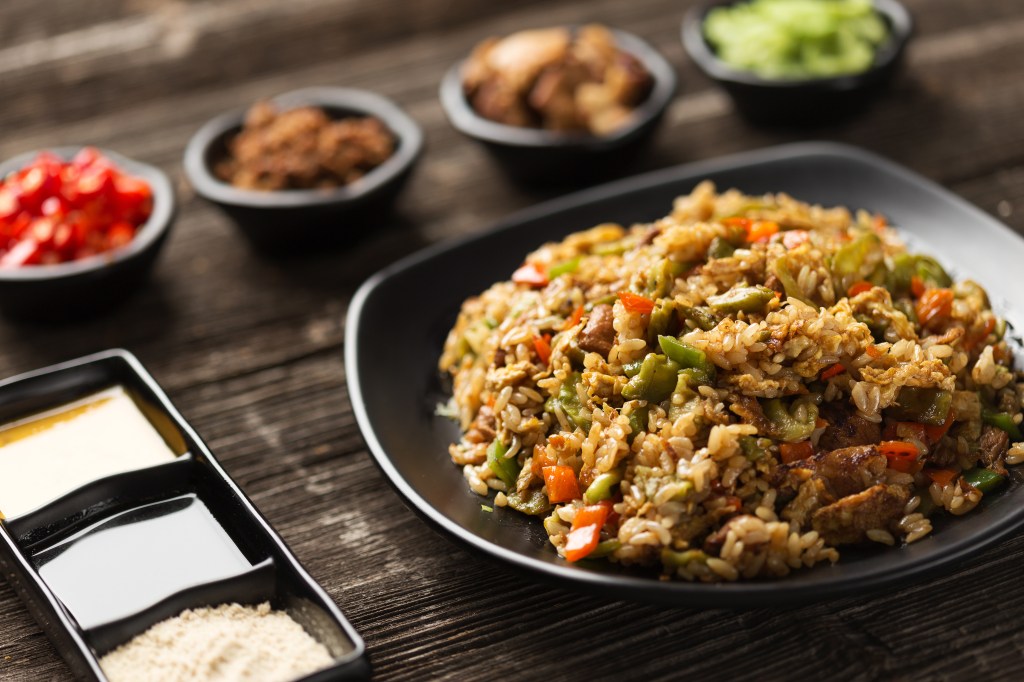
    For me, food has never just been about eating. It’s a language, a memory, and a way of seeing the world. Having two sets of grandparents from different parts of China, one north, one south, I learned quickly that food carries identity. Every dish has a story, and every province carries its own flavors that say something about the people who live there.

    In China, food is geography. Sichuan brings fire and spice, while Guangdong celebrates delicate dim sum and seafood. The north is defined by wheat, dumplings, noodles, scallion pancakes, while the south loves its rice. Each province cooks with the ingredients the land provides, but also with the philosophy of its people. When you sit at a Chinese table, you get to taste landscapes, climates, and histories. All served as bite-sized morsels that you could pick up with chopsticks.

    Food is also family. My grandparents’ stories are baked into the recipes they passed down, from mooncakes during Mid-Autumn Festival to hand-pulled noodles on birthdays. These aren’t just traditions; they’re lessons in resilience, migration, and love. When my grandmother kneaded dough, she was also retelling stories of our past, making sure I understood where I came from even if I couldn’t always express it in words.

    As I’ve grown older, I see food as anthropology in action. It’s how cultures communicate without needing translation. A dish of mapo tofu doesn’t just feed you; it tells you about Sichuan’s trade history with peppercorns. It’s about its people’s taste for intensity, about the way heat and comfort can coexist. Food is proof that identity can be consumed, shared, and remembered.

    For me, Chinese food isn’t just cuisine. It’s a map, a history book, a diary. It’s how I connect my present self to my heritage. With every bite, it’s not all the varying flavors, but I am reminded of all the stories behind my origins.

  • Beyond the Hook – Writing Headlines With Integrity

    Beyond the Hook – Writing Headlines With Integrity

    We live in an era where attention is currency. A single word can change whether someone clicks, or scrolls away forever. But the real challenge isn’t just getting attention; it’s keeping trust.

    I’ve had times where I changed a single word, and suddenly engagement doubled. It taught me that writing a headline isn’t just about grabbing attention, it’s about earning it responsibly.

    I’ve spent countless hours toiling over the title of a YouTube video, meticulously choosing every single word, rearranging phrases, and testing which one truly captures the heart of the story. Because at the end of the day, a headline isn’t just a hook, it’s a promise. It’s the first thing a viewer sees, and often the deciding factor between a story that’s heard and one that’s ignored.

    For me, especially when the people behind the story are real and their voices deserve care, the headline becomes a form of respect. If you want to give dignity and pride to a story and to the people whose experiences it represents, it all starts with how you choose to frame it.In the end, headlines set the tone for conversation. They build the first impression, and in the digital age, first impressions spread fast. So the question isn’t just what will make people click, but what will make them care.

  • The Power Behind the Click – How Headlines Shape What We See

    The Power Behind the Click – How Headlines Shape What We See

    Have you ever clicked on an article just because the headline caught your attention? Maybe it said something shocking, emotional, or a little controversial. Before you knew it, you were three paragraphs deep in a story you didn’t even plan to read. That’s the power of framing in digital media.

    Headlines aren’t just titles. They’re lenses. The way a story is framed can completely shape how we think about it. For example, a headline that says “Local Hero Saves Dog from River” gives you a totally different reaction than “Man Jumps into River Without Warning.” Both might describe the same event, but one highlights courage, while the other suggests chaos. This is a stellar example of the importance of headlines. They can completely change the meaning and purpose of a text!

    In today’s world of constant scrolling, most people never make it past the headline. That means the first few words you read often decide what side of the story you believe. News outlets, creators, and brands know this, which is why every word is chosen carefully. Sometimes, it is helpful to think of headlines as not always just a way to inform, but sometimes to persuade.

    As someone who works in broadcasting at my school, I’ve seen this firsthand. Whether I’m scripting a morning segment or producing a video for our school network, I’ve learned that the headline – or, especially on YouTube, the thumbnail—can make or break how viewers respond.

    When you start noticing the invisible power behind the words that pull you in, you begin to see media differently. Every title is an invitation, and a decision about how truth is told.

  • The Taste of Memory – Why Food Is the Language of Identity

    The Taste of Memory – Why Food Is the Language of Identity

    What fascinates me most is how food carries history through generations. It adapts, evolves, and survives, just like people do.

    Food isn’t just nourishment, it’s communication. It tells us who we were, who we are, and sometimes who we hope to be. Anthropologists often call it the edible archive, because every bite carries a record of geography, trade, climate, and resilience. Meals that began in scarcity often become cultural treasures. Recipes passed down through struggle become comfort.

    When I think back to Popo’s kitchen, I realize her stories weren’t just about food, they were about identity, memory, and belonging. That simple egg dish was her way of preserving the past, teaching me that every meal has a message if you take the time to listen.

    So the next time you sit down to eat, take a moment to think about where your food came from, not just the place, but the people. Because whether it’s a plate of sushi, a bowl of pasta, or a simple egg dish made by your grandmother, what we eat tells our story. And that story deserves to be remembered.

  • Breaking Bread – How Cultures Build Connection Through Food

    Breaking Bread – How Cultures Build Connection Through Food

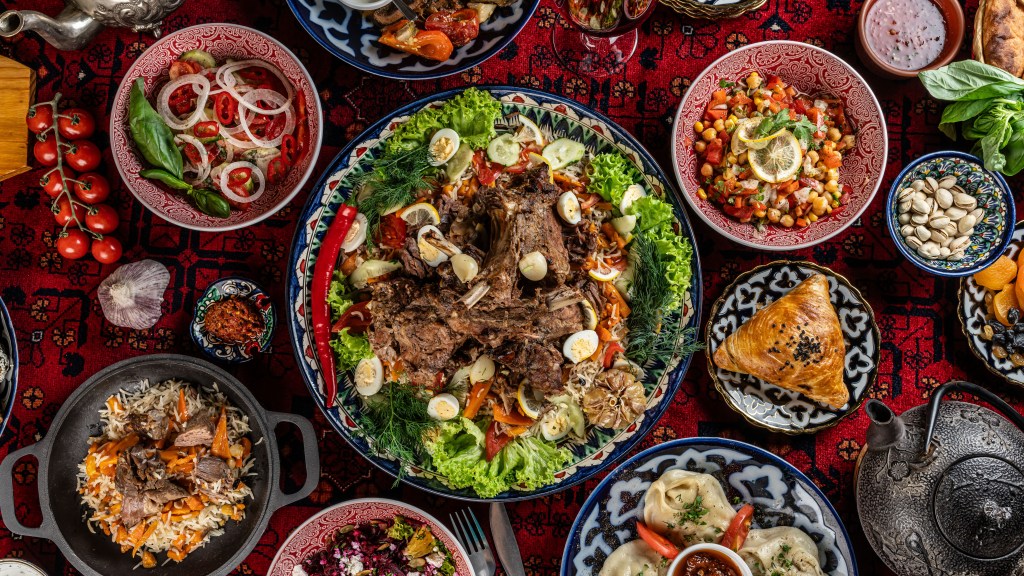
    Across the world, communal eating is one of humanity’s oldest and most universal traditions. From ancient harvest festivals to modern dinner parties, food has always been more than sustenance; it’s a way to connect, celebrate, and communicate. Anthropologists often describe shared meals as “social glue,”a way to build trust, form identity, and strengthen community bonds.

    In Japan, for example, the tea ceremony (chanoyu) is not simply about drinking tea; it’s about mindfulness, respect, and presence. The ritual emphasizes harmony between host and guest, where every movement, every sip, is deliberate and meaningful. It’s a shared pause in a busy world.

    In Ethiopia, meals are communal by design. Families and friends gather around a large platter of injera, a spongy flatbread, and eat with their hands. There are no personal plates; everyone dips into the same dish. One beautiful tradition is gursha, where one person feeds another a bite of food as a gesture of love and trust.

    In India, festivals like Diwali or Eid feature massive spreads of shared dishes, where food becomes an offering of generosity and faith. Even street food culture there, like chaat stalls and dosa stands, shows how communal eating breaks social barriers. Food brings together people of different classes, backgrounds, and beliefs.

    And in the Middle East, sharing food is an act of hospitality rooted in centuries of tradition. Bedouin culture, for instance, values feeding guests before even asking their names. A shared plate of rice and lamb isn’t just a meal; it’s a statement of welcome and honor.

  • Inside the Algorithm – The Psychology of Viral Videos

    Inside the Algorithm – The Psychology of Viral Videos

    What I found was that social media platforms operate like companies, their algorithms are designed to keep viewers on the platform for as long as possible. That means videos that are sticky, emotional, or easy to share are favored. It’s less about production quality and more about engagement potential. If your video makes people watch till the end, or better yet, makes them comment, like, or share, it tells the algorithm, “Hey, this keeps people hooked,” and the platform pushes it to more users.

    But there’s also a psychological side to virality. Studies show that videos that trigger strong emotions, especially awe, laughter, or anger, spread faster. Humans are wired to share emotional experiences. When something makes us feel deeply, we want others to feel it too. That’s why heartwarming rescues, shocking headlines, and funny clips blow up; they make us react instantly.

    Timing plays a role too. Posting when your audience is most active or when a topic is trending can mean the difference between 100 views and 1,000,000. People want to feel part of the moment, and viral content feeds that sense of belonging.

    And then there’s the relatability factor. Viral videos often feel personal. They look raw, authentic, and unscripted, even when they’re not. Viewers see a bit of themselves in the creator or the situation, which builds trust and makes them hit “share.”

    So while I may not have cracked the full formula behind virality, I’ve learned this: going viral isn’t just about luck. It’s about understanding how people think, feel, and connect. Every share, every comment, every click, it’s all part of a bigger psychological pattern.

    That Fourth of July taught me more than what it feels like to go viral. It showed me how powerful storytelling can be, even in its simplest, shortest form. And ever since then, I’ve been chasing not just numbers, but the human reasons behind them.

  • The Language of the Table – Why Sharing Food Means Belonging

    The Language of the Table – Why Sharing Food Means Belonging

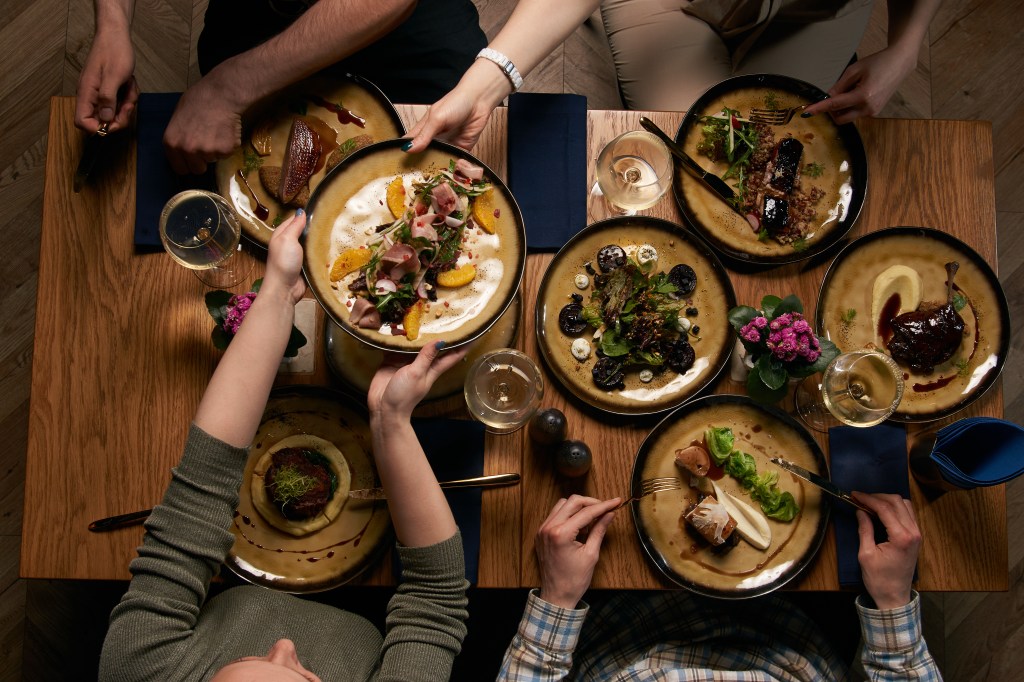
    Even in Western cultures, the idea of breaking bread together carries deep meaning. In ancient Greece, the symposium was both a feast and a forum, where people ate, debated philosophy, and built community through conversation. In many ways, our modern dinner tables still serve the same purpose.

    When I think back to my own Thanksgiving table, turkey beside mapo tofu, cranberry sauce next to crepes, I realize it wasn’t chaos. It was a connection. Each dish represented generations of migration, adaptation, and identity. Each one said, “We belong here, together.”

    Communal meals remind us that food is one of the few things that transcends language. You don’t need to speak the same tongue to share a dish. You just need to sit down, pass the plate, and listen to the stories that come with it.

    So whether it’s a traditional feast, a potluck, or even takeout shared among friends, these rituals of sharing keep us grounded. They remind us that every meal, no matter how small, is an act of belonging.