Category: Anthropology

  • Between Neon and Noise – What Tokyo Taught Me About New York

    Between Neon and Noise – What Tokyo Taught Me About New York

    I remember the first time I stepped foot into Tokyo. For my entire life, I’d lived in New York, a city that never really sleeps; it just changes rhythm. I had grown used to it all: the one-dollar pizza slices, the garbage piled along the curbs, the yelling in that unmistakable New York accent, the subway musicians, and the car horns that almost sound like background music to the city itself. It was chaos, but it was familiar chaos.

    Then, I landed in Tokyo. And everything I thought I knew about city life suddenly shifted.

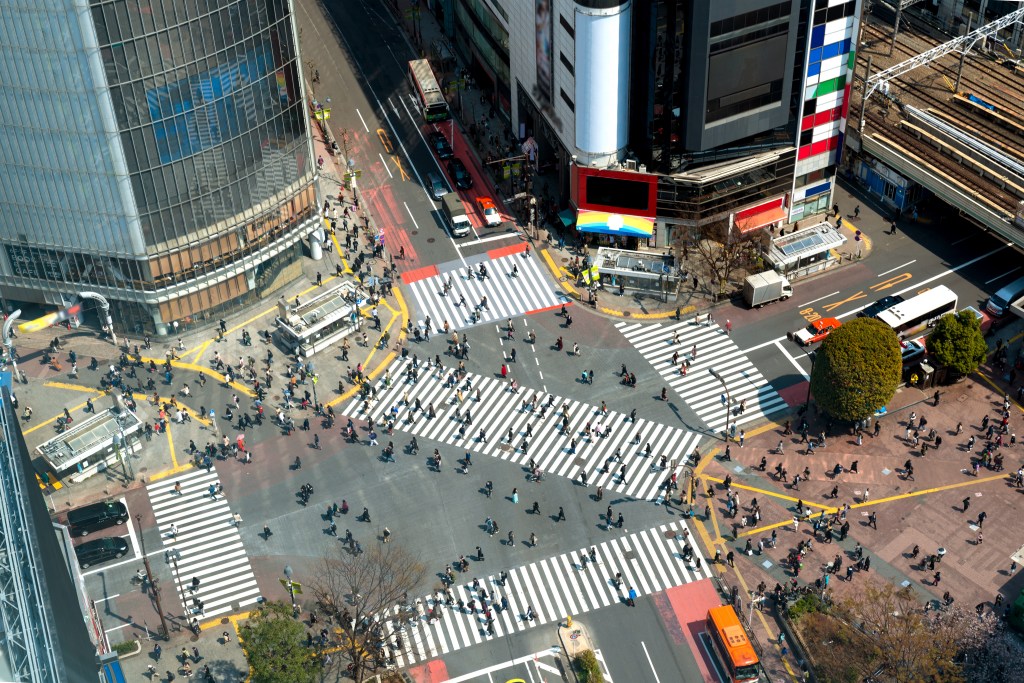
    The first thing I noticed was the light. Tokyo didn’t just glow; it radiated. Even at midnight, the city felt alive, as if the sun had simply decided to move underground and power the neon signs instead. People moved through the streets with quiet efficiency. No one shouted. No one jaywalked. And what stunned me most was that there wasn’t a single piece of trash on the ground. Not even a piece of gum.

    I couldn’t stop comparing it to New York, but eventually, I realized something: both cities were telling stories; they just spoke different languages.

    That’s what drew me to think about cities not just as places, but as living stories, each one revealing who we are through how we move, build, and belong.


  • The City as Storyteller – What Urban Anthropology Reveals About Culture

    The City as Storyteller – What Urban Anthropology Reveals About Culture

    That’s what urban anthropology is all about: the idea that cities aren’t just collections of buildings and streets but living, breathing reflections of the people who inhabit them. They tell us what a culture values, how it interacts, and what it dreams of becoming.

    In New York, the story is one of movement and noise. It’s a city built on ambition and diversity, where cultures collide and somehow coexist. Street art, food trucks, subways, and skyscrapers all tell a story of people constantly striving, hustling, and reinventing themselves. The messiness is the message; it reflects freedom, individuality, and the idea that anyone can belong.

    Tokyo, on the other hand, tells a story of respect, precision, and harmony. Its order and cleanliness aren’t just rules; they’re reflections of collective care. The bright signs and endless vending machines reveal a culture that blends tradition with technology and ancient values with futuristic dreams.

    When you look closely, every city becomes a mirror. Paris whispers of romance and history. Cairo hums with the rhythm of ancient civilizations. Seoul pulses with innovation and youth culture. Each one has its own emotional signature, a rhythm that shapes how people think, behave, and connect.

    Cities are more than geography; they’re anthropology in motion. The way people move through them, the spaces they create, and even the silences between sounds reveal who they are. A city is, in many ways, the autobiography of its citizens.

    So when I think back to that first night in Tokyo, standing under neon lights that shimmered across rain-soaked streets, I realize that both New York and Tokyo told me something profound: every city is a storyteller.

  • The Dinner Table I Couldn’t Translate – Finding Connection Beyond Words

    The Dinner Table I Couldn’t Translate – Finding Connection Beyond Words

    I still remember my first real Chinese New Year family reunion. It was one of those moments that felt straight out of a movie, with red decorations hanging from the ceiling, the smell of dumplings and soy sauce filling the air, and the sound of laughter echoing from every corner of the house. Twenty people, maybe more, sat around one big circular table covered with steaming dishes of fish, noodles, and vegetables.

    Everyone was speaking Chinese, fast.

    I sat there, chopsticks in hand, smiling and nodding along even though I had absolutely no idea what anyone was saying. The conversation moved so quickly that it felt like music I couldn’t quite follow, rhythmic, familiar, but just out of reach. I tried to catch a few words I’d heard before, but they slipped away before I could make sense of them. I felt out of place, like I was at the center of my own family but still somehow on the outside looking in.

    That’s when my Popo, my grandmother, looked over at me. She must have noticed my confused expression because she smiled and, in her gentle voice, asked in English, “Are you hungry?”

    It was such a small thing, but in that moment, it meant everything. It reminded me that even when words don’t connect, love still does. Popo didn’t need to explain every joke or conversation; I could feel the warmth through her question, through the way she piled food onto my plate without asking, and through the laughter that surrounded the table.

    That dinner taught me something I’ll never forget: sometimes, the most meaningful connections happen in silence.