Category: Anthropology

  • The Quiet in History – Listening to What’s Left Out

    The Quiet in History – Listening to What’s Left Out

    That lesson hit me again in AP U.S. History. We were studying groups of people whose voices were left out of the traditional narrative: enslaved people, women, Indigenous nations, and immigrants. Their stories were there all along, just not in the textbooks written by those in power.

    It reminded me of the saying, “History is written by the victors.” Or maybe more accurately, it’s written by the wealthy, the literate, and the loud.

    But what about everyone else?

    The silences in history tell us just as much as the words on the page. The absence of certain voices, people who were too poor, too oppressed, or too marginalized to be heard, speaks volumes about whose stories we value. Those gaps aren’t empty; they’re full of meaning, waiting for someone willing to listen closely enough to fill them in.

    That’s why I think silence shouldn’t always be seen as a lack of something. Sometimes it’s a form of resistance. It can be the quiet strength of communities who survive without recognition or the stillness that comes before change. It’s a reminder that power doesn’t always sound loud.

    In a way, studying history and studying silence are the same thing. Both require patience, empathy, and a willingness to look deeper than the surface. Whether it’s in a classroom or behind a camera, I’ve learned that giving space to the quiet, to the overlooked and unheard, can reveal truths that words alone never could.

    Because sometimes, the loudest stories are the ones told in silence.

  • Threads of Identity – How Clothing Speaks Without Words

    Threads of Identity – How Clothing Speaks Without Words

    Around the world, what we wear has always been a form of language. Anthropologists often describe clothing as a cultural code, a system of symbols that tells others who we are, what we value, and where we belong.

    Think of the white robes of Middle Eastern deserts, designed for heat and modesty; the colorful saris of India, each hue carrying social or regional meaning; or the Scottish kilt, which once identified entire clans through patterns called tartans. Every piece of clothing holds history, geography, and identity woven into its threads.

    Even modern fashion reflects culture more than we realize. Streetwear, for example, began as a form of rebellion and self-expression in marginalized communities before becoming a global phenomenon. Business suits, once symbols of Western professionalism, are now reinterpreted across continents with new colors, fabrics, and cuts that reflect local individuality.

    Clothing also tells silent stories about belonging and exclusion. Uniforms unite people under a shared identity, such as students, athletes, and doctors, while traditional garments preserve the roots of heritage and resistance. In many Indigenous communities, reviving cultural dress is an act of reclaiming history that colonization tried to erase.

    What’s fascinating is that clothing constantly evolves with society. Just as languages adapt to new times, so do our wardrobes. Trends rise and fall, but the idea remains the same: what we wear speaks before we do. It can express pride, status, rebellion, or memory, all without a single word.

    When I think back to that school day, I realize my red jacket was more than just clothing; it was a message. It said, “This is where I come from, and this is who I am becoming.” Whether we’re dressing for tradition, comfort, or creativity, every outfit we put on tells part of our story.

    So next time you get dressed, take a moment to think about what your clothes might be saying, because whether you mean to or not, you’re already speaking.

  • Semiotic Evolution – How Emojis Reflect Culture and Context

    Semiotic Evolution – How Emojis Reflect Culture and Context

    When you think about it, emojis are the newest form of digital anthropology, a study of how humans express themselves in the digital age. Just like cave paintings or hieroglyphs, emojis are symbols that tell stories about who we are and how we connect. They’ve evolved into a shared language that crosses borders, platforms, and even generations. You don’t have to speak English, Spanish, or Mandarin to understand what ❤️, 😂, or 😢 means.

    But what’s fascinating is how emojis shift meaning depending on culture and context. The 🙏 emoji, for example, is often seen as “thank you” or “please” in Western contexts, but in Japan it can mean a high-five. The 🍑 emoji, once innocent, now carries an entirely different connotation thanks to social media. Emojis evolve just like slang, they’re living symbols that adapt to the times.

    Anthropologists might call this semiotic evolution: the way symbols develop layers of meaning based on how people use them. But for most of us, it’s instinct. We read a message full of emojis and instantly understand the emotion behind it, even when no words are written at all.

  • From Cave Walls to Keyboards – The Anthropology of Emojis

    From Cave Walls to Keyboards – The Anthropology of Emojis

    Watching The Emoji Movie made me realize that communication has never been static, it’s always been evolving. From ancient cave drawings to handwritten letters to GIFs and emojis, people have always found new ways to express themselves.

    The difference now is that our new language fits inside a tiny keyboard at the bottom of our screens. And maybe emojis aren’t just for fun; they’re part of a bigger story about human creativity. They show how we’ve adapted to make digital spaces more human, more emotional, and more universal.

    Next time you send a text, think about how much those tiny symbols actually say. Because somewhere between the 😂 and the ❤️, you’re not just sending a message, you’re speaking the newest language of the human story.

  • When the World Started Dancing – TikTok and the New Silk Road of Culture

    When the World Started Dancing – TikTok and the New Silk Road of Culture

    I still remember the first time I really started noticing the power of TikTok. It was back in seventh grade, right in the middle of COVID. Everyone was stuck at home, and suddenly it felt like the entire world was dancing on their phones.

    One afternoon, I was scrolling through my feed when I saw two girls who seemed to be everywhere, on my “For You” page, in brand commercials, and even on Dunkin’ Donuts cups. They looked like sisters, and sure enough, they were Charli and Dixie D’Amelio.

    At first, I was just surprised. How could two teenagers who posted dance videos suddenly become ambassadors for a massive company like Dunkin’? I did some research and found out they were TikTok creators whose dances had gone viral, so viral that companies, brands, and even entire industries were reshaping their marketing strategies around this new kind of fame.

    That was when I first started to understand that TikTok wasn’t just entertainment; it was a kind of cultural diffusion.

    The same way languages, music, and art once spread through trade or migration, TikTok was spreading culture through 15-second videos. A single dance created in someone’s bedroom could reach millions across the world in hours. Moves inspired by African hip-hop, Latin reggaeton, or American pop blended together into new routines that anyone, anywhere, could learn.

    Teenagers in the U.S. were learning choreography from creators in South Korea. Songs from small artists in Nigeria were suddenly topping global charts. Food, fashion, and slang jumped across borders overnight.

    Cultural diffusion used to take centuries. Now, it takes seconds.

  • The Emoji Movie and the Hidden Language of Emotion

    The Emoji Movie and the Hidden Language of Emotion

    A few years ago, I remember sitting on the couch with my family watching The Emoji Movie. At first, we put it on as a joke, just something light to watch together. But somewhere between the chaotic scenes of dancing smiley faces and talking text bubbles, I realized the movie wasn’t really about emojis at all. It was about communication.

    It was about how our generation has built an entirely new language, one made of tiny, colorful symbols that say more than words ever could.

    Emojis started as a fun way to add personality to text, but they’ve grown into something much bigger. In a world where tone can be easily lost over a message, emojis have become emotional translators. A simple “okay” can sound flat or even cold, but add a 😊, and suddenly it feels friendly. Add a 😬, and it becomes awkward. The meaning shifts entirely, even though the words stay the same.

    That’s when I began to see emojis not just as decorations, but as expressions, micro-languages that bring feeling back into text.

  • The Taste of Memory – Why Food Is the Language of Identity

    The Taste of Memory – Why Food Is the Language of Identity

    What fascinates me most is how food carries history through generations. It adapts, evolves, and survives, just like people do.

    Food isn’t just nourishment, it’s communication. It tells us who we were, who we are, and sometimes who we hope to be. Anthropologists often call it the edible archive, because every bite carries a record of geography, trade, climate, and resilience. Meals that began in scarcity often become cultural treasures. Recipes passed down through struggle become comfort.

    When I think back to Popo’s kitchen, I realize her stories weren’t just about food, they were about identity, memory, and belonging. That simple egg dish was her way of preserving the past, teaching me that every meal has a message if you take the time to listen.

    So the next time you sit down to eat, take a moment to think about where your food came from, not just the place, but the people. Because whether it’s a plate of sushi, a bowl of pasta, or a simple egg dish made by your grandmother, what we eat tells our story. And that story deserves to be remembered.

  • Breaking Bread – How Cultures Build Connection Through Food

    Breaking Bread – How Cultures Build Connection Through Food

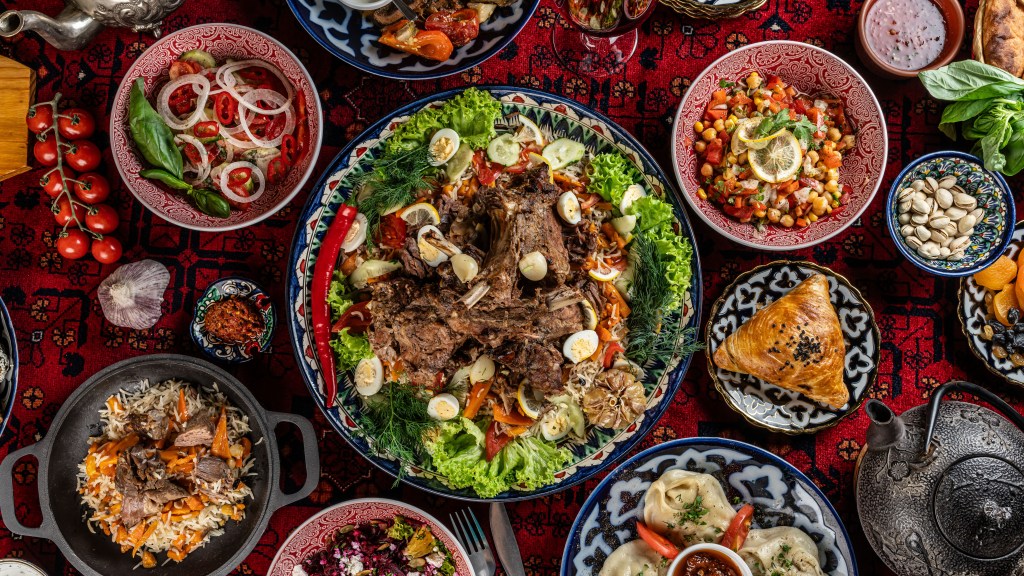
    Across the world, communal eating is one of humanity’s oldest and most universal traditions. From ancient harvest festivals to modern dinner parties, food has always been more than sustenance; it’s a way to connect, celebrate, and communicate. Anthropologists often describe shared meals as “social glue,”a way to build trust, form identity, and strengthen community bonds.

    In Japan, for example, the tea ceremony (chanoyu) is not simply about drinking tea; it’s about mindfulness, respect, and presence. The ritual emphasizes harmony between host and guest, where every movement, every sip, is deliberate and meaningful. It’s a shared pause in a busy world.

    In Ethiopia, meals are communal by design. Families and friends gather around a large platter of injera, a spongy flatbread, and eat with their hands. There are no personal plates; everyone dips into the same dish. One beautiful tradition is gursha, where one person feeds another a bite of food as a gesture of love and trust.

    In India, festivals like Diwali or Eid feature massive spreads of shared dishes, where food becomes an offering of generosity and faith. Even street food culture there, like chaat stalls and dosa stands, shows how communal eating breaks social barriers. Food brings together people of different classes, backgrounds, and beliefs.

    And in the Middle East, sharing food is an act of hospitality rooted in centuries of tradition. Bedouin culture, for instance, values feeding guests before even asking their names. A shared plate of rice and lamb isn’t just a meal; it’s a statement of welcome and honor.

  • The Language of the Table – Why Sharing Food Means Belonging

    The Language of the Table – Why Sharing Food Means Belonging

    Even in Western cultures, the idea of breaking bread together carries deep meaning. In ancient Greece, the symposium was both a feast and a forum, where people ate, debated philosophy, and built community through conversation. In many ways, our modern dinner tables still serve the same purpose.

    When I think back to my own Thanksgiving table, turkey beside mapo tofu, cranberry sauce next to crepes, I realize it wasn’t chaos. It was a connection. Each dish represented generations of migration, adaptation, and identity. Each one said, “We belong here, together.”

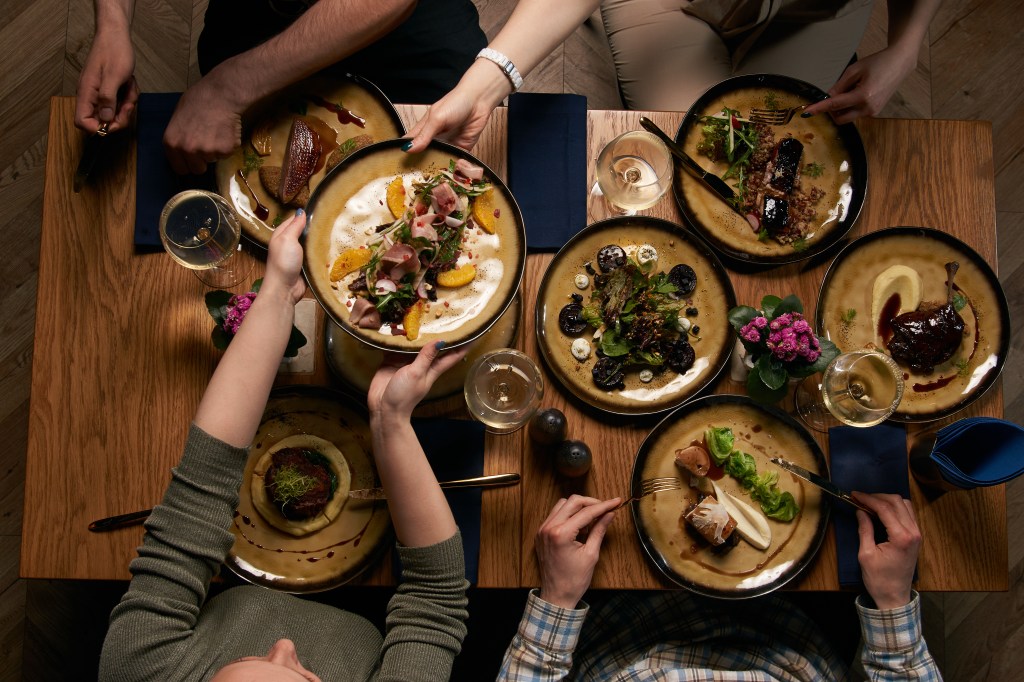
    Communal meals remind us that food is one of the few things that transcends language. You don’t need to speak the same tongue to share a dish. You just need to sit down, pass the plate, and listen to the stories that come with it.

    So whether it’s a traditional feast, a potluck, or even takeout shared among friends, these rituals of sharing keep us grounded. They remind us that every meal, no matter how small, is an act of belonging.

  • The Red Jacket – Finding My Story Through What I Wore

    The Red Jacket – Finding My Story Through What I Wore

    I still remember the first time I really thought about what clothes say. It was cultural heritage day at school, and everyone was encouraged to wear something that represented their background.

    I had no idea what to wear at first; jeans and a hoodie felt too plain, but dressing up in traditional clothing felt unfamiliar. Finally, my grandmother insisted I wear a silk jacket she had brought from China years ago. It was red with gold embroidery, slightly too big, and definitely stood out in the sea of T-shirts and sneakers.

    At first, I felt self-conscious walking down the hallway. But something changed during lunch. One of my friends asked me about the jacket, where it came from, and what the designs meant, and suddenly I found myself telling stories about my family, my grandparents, and the meaning behind the patterns.

    That jacket became a conversation, a bridge between cultures, and a reminder that clothing isn’t just fabric; it’s communication. It carries stories even when we don’t realize it.