That was the turning point for me. Instead of brushing it off, I wanted to make sure something like that never happened again. I started taking on more responsibility behind the scenes, organizing pre-show meetings, dividing the team into roles, and creating a clear routine so that everyone knew what to do when something went wrong.
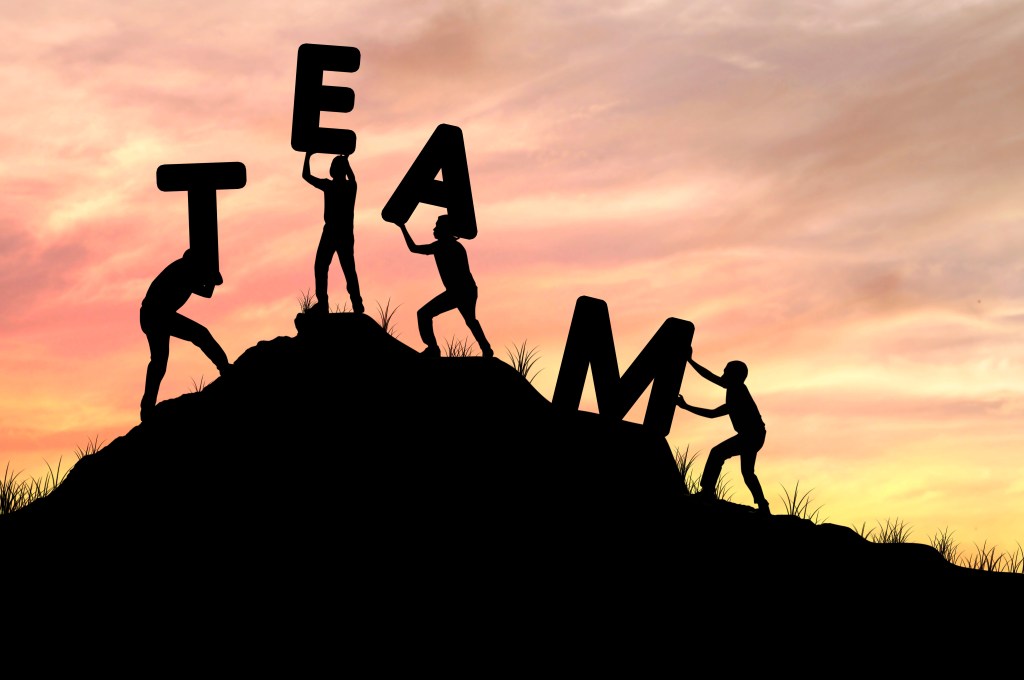
We made a checklist for every show: camera tests, lighting checks, backup mics, script reviews, and a final run-through before we went live. But it wasn’t just about organization; it was about teamwork.
Broadcasting taught me that leadership isn’t about being the loudest voice in the room; it’s about being the calmest. When things fall apart, people don’t need someone to panic with them; they need someone to help them find their rhythm again. I learned to listen, delegate, and trust my team’s strengths.
Over time, something amazing happened. We stopped being a group of nervous students running a show; we became a family running a production. The same people who once froze under pressure were now laughing through technical hiccups and helping each other problem-solve. Every Friday morning broadcast felt smoother, sharper, and more unified.
Eventually, I realized that what we were doing was bigger than just a morning show, we were building a community. Broadcasting wasn’t just about reading announcements; it was about connection. We were sharing student stories, celebrating achievements, and giving people a platform to feel seen. And that all started with a team that learned how to work together after one unforgettable morning of complete and utter chaos.
Looking back, I wouldn’t trade that disastrous first show for anything. It taught me patience, resilience, and the real meaning of leadership. Because in broadcasting, and in life, things will go wrong. What matters most isn’t the blackout itself, but how you bring the lights back on together.
 Starting Narratives
Leave a comment