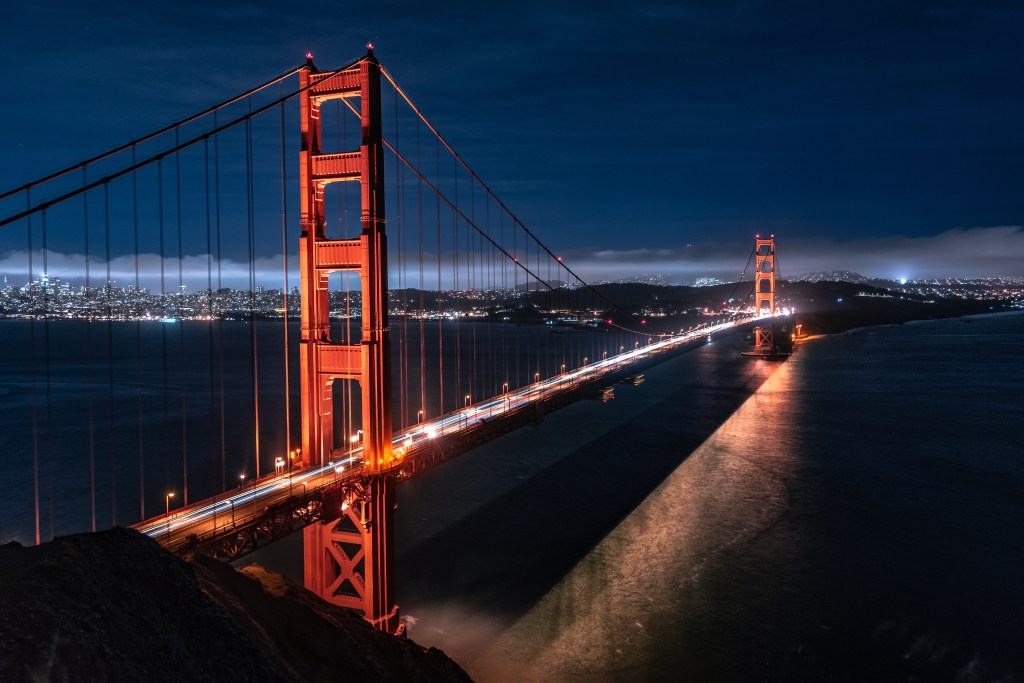
Have you ever noticed that there are some pictures everyone just seems to know? You don’t need a caption or context, one look, and you instantly recognize what it’s about. Think of the “Earthrise” photo from Apollo 8, the man standing in front of the tank at Tiananmen Square, or the image of firefighters raising the flag at Ground Zero. These aren’t just photographs, they’re pieces of collective memory. Everyone may not remember the exact date or location, but they remember the feeling.
I think my fascination with this started back in history class. We were studying the Declaration of Independence and looking at early American documents, the kind that have lasted centuries, and I remember thinking, why do some visuals stick forever while others fade away? It hit me that certain documents, like certain images, have a kind of permanence to them. They don’t just record information, they capture emotion, power, and meaning in a way that survives across generations.
As someone who’s always been interested in media, I kept wondering what made one image or symbol stand out while others disappeared. What gives a visual its staying power? I started noticing patterns: iconic images often appear during moments of deep emotion or change. They might represent unity, struggle, hope, or defiance, universal feelings that connect people no matter where they’re from.
That’s the magic of visual rhetoric, it’s not just what we see, but what we understand and feel when we see it. A great image or document speaks to something beyond its time. It becomes a symbol that people return to again and again when they need to remember, reflect, or even heal.
In a world where we scroll past hundreds of images a day, it’s easy to forget how powerful one picture can be. But the ones that last, the ones that define eras, remind us that sometimes, one frame can carry the weight of history itself.
 Starting Narratives
Leave a comment