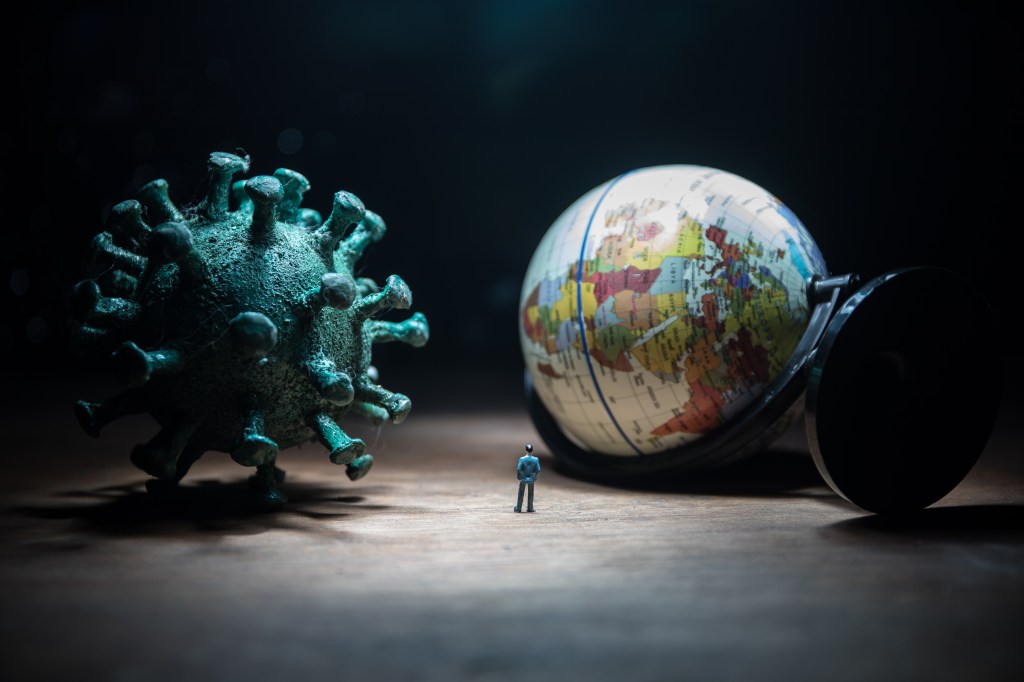
I still remember the exact day everything changed. It was a Friday afternoon, and my mom got a phone call from the school. She hung up, turned to me, and said, “You’re not going to school for the next two weeks.”
At the time, I didn’t think much of it. I had heard about this virus that was spreading in other countries, but I assumed it was something small, something that would blow over quickly. Two weeks off of school sounded like a vacation. I imagined sleeping in, watching movies, and catching up on homework that I probably wouldn’t actually do. But then two weeks turned into a month, and that month stretched into two years.
Suddenly, life as we knew it came to a halt. And with that, so did many of the cultural traditions we took for granted.
Looking back, it’s incredible how much the pandemic reshaped how we connect and celebrate. Holidays like Thanksgiving and Christmas moved from crowded dining rooms to glitchy Zoom calls. Birthdays were celebrated through car parades, with friends honking from their driveways. Even graduations turned into virtual ceremonies, where instead of walking across a stage, students waved to webcams in their living rooms.
But it wasn’t just the big events that changed, it was the small rituals too. Family dinners became sacred again. People started baking bread, cooking traditional recipes, and gardening as ways to feel grounded. Communities found creative ways to stay connected, from drive-in movie nights to socially distanced outdoor gatherings. Somehow, even in isolation, we found ways to hold onto what made us human.
Anthropologists often talk about how pandemics throughout history reshape culture. During the Black Plague in the 14th century, for example, people reexamined faith and mortality, leading to shifts in art, religion, and medicine. During the 1918 flu pandemic, traditions like handshakes disappeared for years, and public health became a collective value. COVID-19 will be remembered the same way, not just for the science behind it, but for how it transformed everyday life.
What fascinates me is how quickly new traditions replaced old ones. We learned to celebrate virtually, to express affection through screens, to mourn without being physically present. And even though it was hard, it showed how adaptable people are. Our rituals didn’t disappear, they evolved.
When I finally returned to school two years later, everything felt different. People had changed, but so had the way we valued community. Simple things, like sitting with friends at lunch or seeing someone’s full smile without a mask, felt meaningful again.
Pandemics have a strange way of reminding us what matters. They strip away the excess and force us to rebuild our traditions around connection, empathy, and resilience. So while that phone call from my mom marked the beginning of something scary and uncertain, it also marked the start of a new kind of cultural awakening, one that taught us how to hold on to each other, even when we had to stay apart.
 Starting Narratives
Leave a comment